%20--%3e%3cstyle%20type='text/css'%3e.cls-0%20{fill:%2304233E;}%20.cls-1%20{fill:%23FD5000;}%3c/style%3e%3cpath%20class='cls-0'%20d='m19.7%208.9h111.9v9.3c2.5-0.3%205.1-0.7%208.1-0.8v-17.4h-127.8v22.6h-11.9v98.4c0%204.8%203.9%209.6%209.4%209.6h16.8c0.2-3%200.5-6.6%201.3-9.6h-7.8v-112.1zm-7.8%20112.1c0%201.1-0.9%202.1-2.2%202-1%200-2.3-0.8-2.3-2.3v-90.9h4.6v91.2h-0.1z'/%3e%3cpath%20class='cls-0'%20d='m131.4%2089.6v15.1h-30.3c-10.2%200-23.8%202-38.1%208.8l-3.4%201.7c0.8-3.2%201.8-6.4%203.1-10.5h-10.1c-2.3%207.2-4.7%2016.3-5.8%2025.9h94v-41h-9.4zm-61.6%2031.4c5.5-2.4%2015.7-6.8%2032.1-6.8h29.6v6.8h-61.7z'/%3e%3cpath%20class='cls-0'%20d='m94.7%2014.3v13.3h3.1c7.6-3.3%2015.7-6.2%2027.9-8.4v-4.9h-31z'/%3e%3cpolygon%20class='cls-0'%20points='25.3%2014.3%2025.3%2027.7%2053.1%2027.7%2053.1%2014.3'/%3e%3cpolygon%20class='cls-0'%20points='58.5%2014.3%2058.5%2027.7%2089.2%2027.7%2089.2%2014.3'/%3e%3cpath%20class='cls-0'%20d='m25.3%2032.7v7.7h27.7v-7.7h-27.7z'/%3e%3cpath%20class='cls-0'%20d='m58.5%2032.7v7.7h17.3c3.4-2.3%207.2-4.8%2011.7-7.7h-29z'/%3e%3cpath%20class='cls-0'%20d='m25.3%2046.1v33.6h16.9c2.9-5.2%206.7-10.6%2010.8-15.8v-17.8h-27.7z'/%3e%3cpath%20class='cls-0'%20d='m58.5%2046.1v11c2.8-3.1%206.4-6.6%2010.7-10.9l-10.7-0.1z'/%3e%3cpath%20class='cls-0'%20d='m25.3%2084.5v31h3.3c2.3-10.5%205.9-20.1%2010.7-31h-14z'/%3e%3cpath%20class='cls-0'%20d='m145.3%2022.1c-31%200-57.3%2013.9-74.9%2030.9-17.1%2016.7-28.8%2037.1-35.4%2059.3-1.7%206.1-2.8%2012.1-3.6%2018.3h9.7c1.3-15.1%207.3-41.3%2028-64.7%2020.4-23.1%2048-34.7%2076.2-34.7l4.7%200.1v-9.2h-4.7z'/%3e%3cpath%20class='cls-1'%20d='m99.7%2048.5-5.5%202.9c2.4%203.5%204%208.1%204%2013.3%200%2013.8-10.9%2024.9-25%2025.2v7.3c16.7%200.2%2031.5-13.2%2031.5-32.2%200-6-1.8-12-4.8-16.8l-0.2%200.3z'/%3e%3cpath%20class='cls-1'%20d='m89%2054.6-5.6%203.9c1.1%201.9%201.8%204.1%201.8%206.5%200%206.5-5.5%2012.2-12.1%2012.3v6.4c10.3%200.1%2018.9-8.1%2018.9-18.7%200-3.7-1-7.2-3-10.4z'/%3e%3cpath%20class='cls-1'%20d='m79.3%2062c-3%202.8-5.9%205.7-9.1%209.8%204.7%202.2%209.2-0.8%209.9-5.4%200.2-1.6-0.1-3.1-0.8-4.4z'/%3e%3c/svg%3e)
Boyd Group Completes Two-Year CEO Transition as Brock Bulbuck Steps Back
Tim O'Day formally succeeded founder Brock Bulbuck effective January 1, 2022, closing a succession plan that was first announced in August 2019.
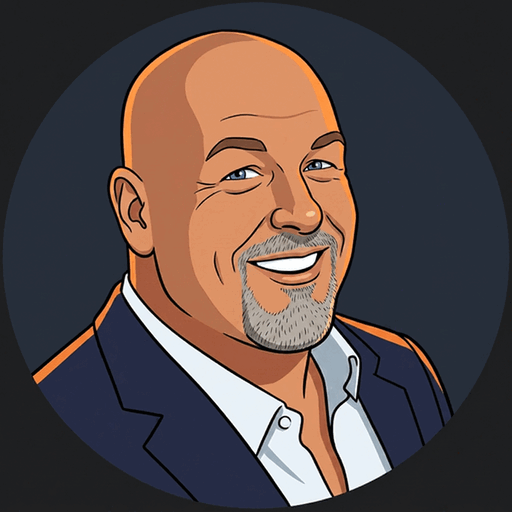
In the second week of January 2022, Boyd Group Services Inc.—the Canadian parent of Gerber Collision & Glass and one of the world's largest auto body and glass repair organizations—announced the formal completion of a CEO succession plan that had been in motion for nearly two and a half years.
Brock Bulbuck, who spent 28 years at Boyd and guided its transformation from a regional Canadian operator into a publicly traded North American giant, stepped down as executive chair effective December 31, 2021. He agreed to remain on Boyd's board of directors. Tim O'Day, who had been president and CEO since January 2020, now held sole executive responsibility for a company with hundreds of repair facilities across the United States and Canada.
The transition capped a carefully managed handoff. Bulbuck's extended executive-chair tenure gave O'Day time to consolidate leadership and execute the company's growth strategy through the pandemic disruption of 2020 and 2021. Boyd's growth model relies heavily on acquisitions of local and regional shops, making leadership continuity particularly important.
For auto glass technicians and shop owners, Boyd Group's trajectory matters because the company's Gerber Collision & Glass brand competes directly in the retail glass replacement segment. Boyd's acquisition appetite under O'Day's leadership meant independent operators in mid-size markets continued to face buyout conversations throughout 2022.
The completion of the succession also reassured Boyd's institutional investors that the governance structure was stable—a factor in the company's stock performance and its capacity to fund further North American acquisitions at the pace that had characterized the Bulbuck era.
The Boyd succession also carried a practical message for mid-size independent shop owners: the skills that built Boyd—systematic acquisition, disciplined operational standards, investment in technician training—were transferable lessons regardless of scale. O'Day had emphasized during his first two years as CEO that Boyd's growth model depended on maintaining the quality culture of acquired shops rather than imposing a lowest-common-denominator operating model, a philosophy worth noting for any shop owner evaluating what consolidation would mean for their own team.
Key Takeaways
- •Boyd Group's two-year leadership transition concluded smoothly, with Tim O'Day assuming full control of one of North America's largest glass and collision repair operators.
- •Brock Bulbuck's 28-year tenure included the expansion from a Canadian regional chain to a publicly traded multi-country company with hundreds of locations.
- •Independent shops in Boyd acquisition markets should expect continued buyout outreach as O'Day maintained the company's growth-by-acquisition model.